

Know Your Shutoff Valves Before a Plumbing Emergency
Clay Peterson
Aug 05 2026 13:30
When water starts spraying from a broken pipe or pooling around a leaking appliance, every second matters. Knowing where your shutoff valves are—and how to use them—can limit water damage, protect your home, and give you valuable time to call for help. At Advanced Plumbing, we encourage homeowners throughout Poplar Bluff and Southeast Missouri to take a few minutes now to locate these important valves before an emergency happens.
Your plumbing system has more than one way to stop water flow. Some valves shut off water to a single fixture, while the main shutoff can stop water to most or all of the home. A quick walkthrough today can make a stressful situation much easier to manage later.
Start With Your Main Water Shutoff Valve
Your main water shutoff valve is the most important one to find. This valve controls the water supply entering your house. If you have a major leak, burst pipe, or water flowing where it should not be, shutting off the main valve can prevent a small problem from becoming widespread water damage.
In many homes, the main shutoff is located near the water meter, where the main water line enters the house, in a basement, crawlspace, utility room, garage, or exterior meter box. Its location can vary depending on the age and layout of your home, so do not wait until water is everywhere to start looking.
Once you find it, make sure every responsible adult in the household knows where it is. If it is a wheel-style valve, turn it clockwise to close it. If it has a lever handle, the handle is typically perpendicular to the pipe when the valve is off. If the valve is hard to turn, corroded, or leaking, have it inspected rather than forcing it during an emergency.
Find the Shutoff Valves Under Every Sink
Most kitchen, bathroom, and utility sinks have individual shutoff valves underneath them. Usually, there is one valve for hot water and one for cold water. These small valves allow you to stop water to a faucet without turning off water to the rest of the home.
Sink shutoffs are especially useful when a faucet is leaking, a supply line has failed, or you need to replace a fixture. Take a look beneath each sink and identify the valves, even if the cabinet is crowded with cleaning products or storage items. Keep the area clear enough to reach the valves quickly.
If you discover a valve that does not turn, drips when operated, or is missing altogether, Advanced Plumbing can help with plumbing repair in Poplar Bluff and surrounding communities. A working fixture shutoff is a small upgrade that can save a great deal of trouble.
Locate Toilet Shutoff Valves
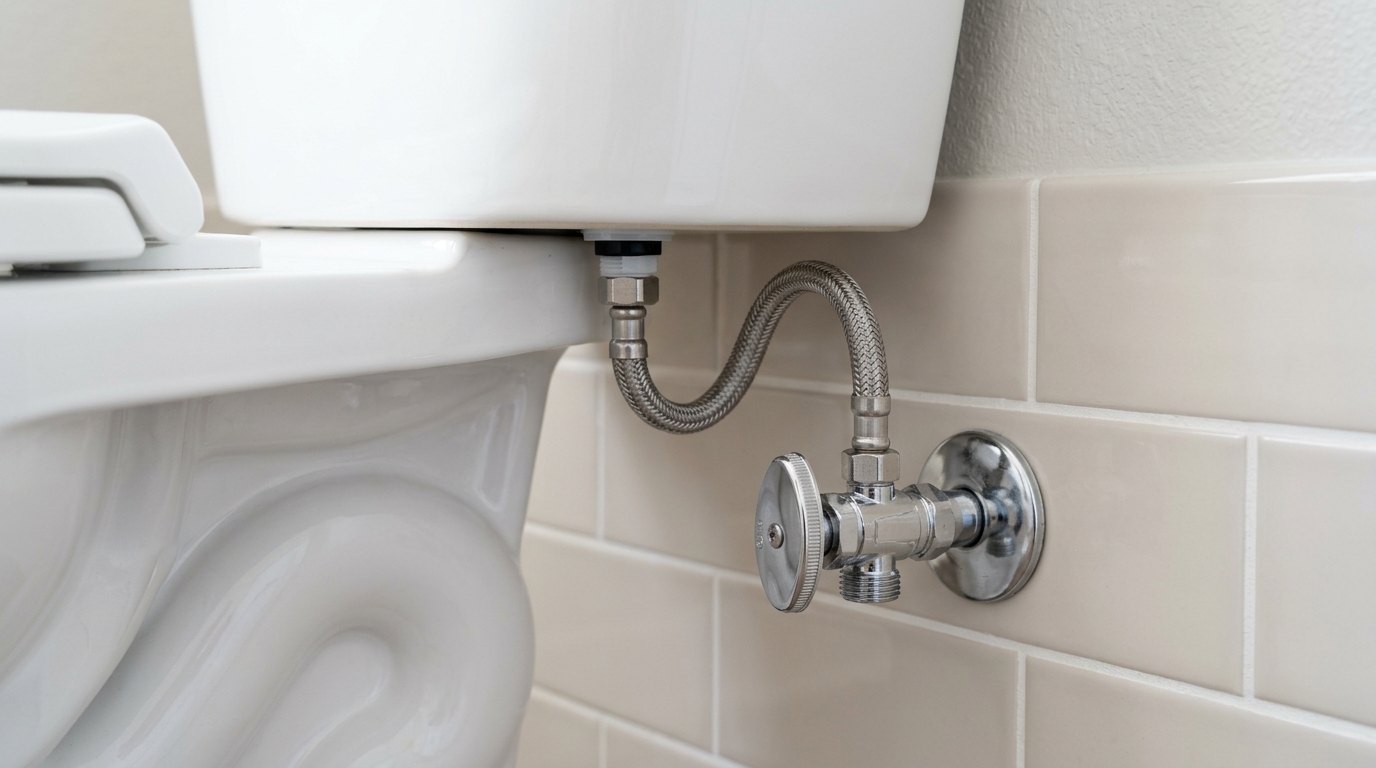
Every toilet should have a shutoff valve on the wall or floor behind the toilet, connected to the small supply line that feeds the tank. If the toilet overflows, the tank will not stop filling, or the supply line begins leaking, this is the valve to use.
Turn the valve clockwise to stop the water. If a toilet is actively overflowing, first remove the tank lid and lift the flapper inside the tank if possible. Then close the shutoff valve. This can stop additional water from entering the bowl while you address the immediate issue.
Toilet shutoff valves can become stiff over time because they are rarely used. Check them periodically so you know they work. Never force a corroded valve, especially if it appears fragile or is already leaking.
Do Not Forget the Water Heater Shutoff
Your water heater has a cold-water supply valve near the top of the unit. This valve is important if the water heater is leaking, if a pipe connected to it fails, or if service is needed. Shutting off the cold-water supply can help stop additional water from entering the tank.
If you notice water around your water heater, avoid stepping into standing water near electrical components. For an electric water heater, turn off power at the breaker before attempting any service. For a gas water heater, do not attempt to relight or adjust gas controls if you smell gas. Leave the area and contact the gas utility or a qualified professional.
Water heater leaks can range from a loose connection to a failed tank. Advanced Plumbing provides water heater repair and replacement services across Southeast Missouri, and we can help determine whether a repair is practical or replacement is the safer long-term option.
Check Washing Machine Supply Valves
Washing machine hoses are a common source of sudden indoor water damage. Behind the washer, you should find hot- and cold-water valves that control the supply hoses. If a hose bursts, begins bulging, or leaks at the connection, shut off these valves immediately.
It is also a good idea to inspect washer hoses regularly for cracks, rusted fittings, and signs of wear. If you will be away from home for an extended time, consider turning off the washing machine supply valves as an added precaution. Replacing older rubber hoses with high-quality braided hoses may also provide greater durability.
Identify Other Appliance and Fixture Shutoffs
Your home may have additional shutoff valves that are easy to overlook. Ice makers, refrigerators with water dispensers, dishwashers, humidifiers, water filtration systems, water softeners, and outdoor faucets may have separate valves. If you have a whole-house water treatment system or an irrigation setup, learn where those controls are located as well.
Knowing which valve serves which fixture helps you respond with less disruption. Instead of turning off water to the entire house for a minor refrigerator line leak, you may be able to isolate that one appliance and keep the rest of your plumbing working normally.
Make a Simple Emergency Plumbing Plan
Once you locate your valves, label them if needed. A small tag reading “main water,” “kitchen sink,” or “washer hot” can be helpful for family members, tenants, or property managers. Take photos of the valve locations and save them on your phone, especially if access is hidden behind panels, cabinets, or stored items.
It is also smart to keep Advanced Plumbing’s phone number in an easy-to-find place: (573) 718-1616. If you have a major leak, turn off the appropriate water supply, move valuables away from the affected area when it is safe to do so, and call for emergency plumbing service. The faster the water is controlled, the better the chance of reducing damage.
FAQ
Should I turn off my main water valve when I leave town?
For a short trip, it may not be necessary for every household. For a longer absence, many homeowners choose to shut off the main water or at least close supply valves to higher-risk appliances, such as washing machines. Consider your home’s plumbing condition, whether anyone will be checking on the property, and whether your heating system requires water.
What if my main shutoff valve will not turn?
Do not force it. A stuck or corroded valve can break and create a bigger leak. Schedule service with a local plumber to repair or replace the valve before an emergency occurs.
Can I shut off water to one leaking fixture?
Usually, yes. Sinks, toilets, washing machines, and many appliances have individual shutoff valves. Closing the fixture-specific valve may allow the rest of the home to keep running water while the issue is repaired.
Where is the gas shutoff valve in my home?
Gas shutoff locations vary by appliance and property. If you smell gas, leave the area, avoid switches or open flames, and contact your gas utility or emergency services from a safe location. Do not attempt repairs or turn gas service back on yourself.
Who can help inspect or replace old shutoff valves?
Advanced Plumbing can inspect aging plumbing valves, replace unreliable shutoffs, and help homeowners in Poplar Bluff and Southeast Missouri feel more prepared for leaks and plumbing emergencies.