
Spooky Sounds From Your Water Heater? What They Mean
Clay Peterson
Oct 01 2026 13:15
If your water heater has started popping, rumbling, hissing, or banging, it can be unsettling—especially when the noise seems to come out of nowhere. The good news is that some sounds are minor or even normal. Others can point to sediment buildup, a plumbing pressure issue, a leak, or a component that needs professional attention.
At Advanced Plumbing, we help homeowners and businesses throughout Poplar Bluff and Southeast Missouri get to the bottom of strange water heater noises before a small issue becomes a no-hot-water emergency.
Popping or Rumbling: Usually Sediment in the Tank
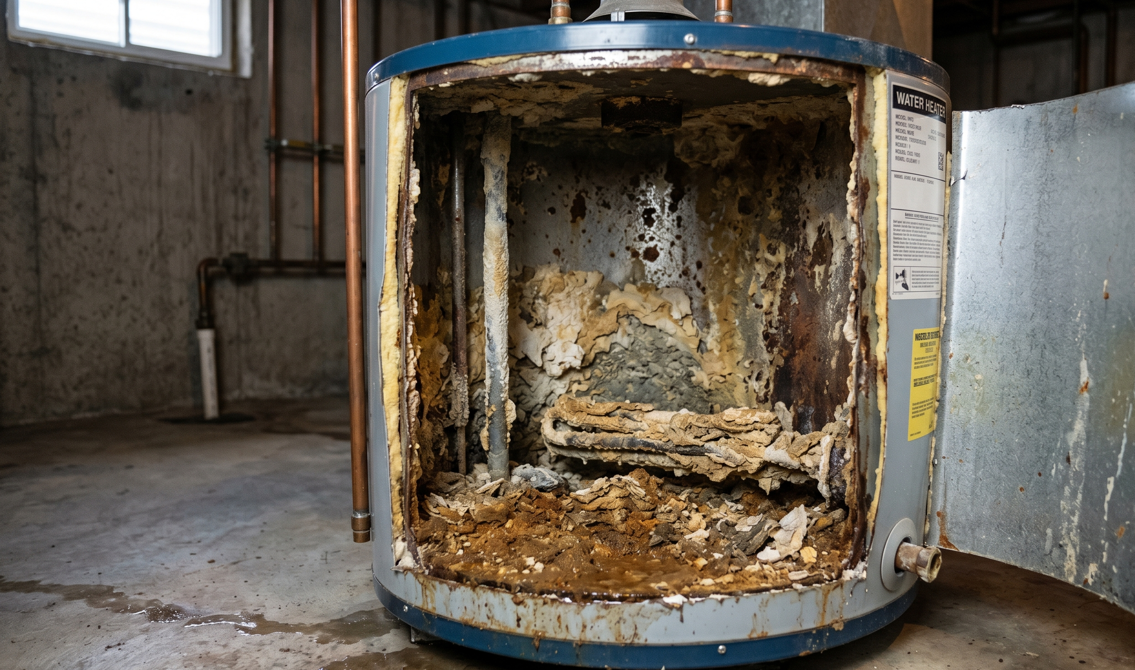
A popping, crackling, or low rumbling sound is one of the most common water heater complaints. In many conventional tank-style water heaters, minerals naturally present in the water settle at the bottom of the tank over time. This sediment can trap small pockets of water underneath it.
When the burner or heating element heats that trapped water, it can create steam pockets that pop or rumble as they escape. The sound may be more noticeable after the water heater has been running for a while or when your household has used a lot of hot water.
Besides being noisy, sediment makes it harder for the system to transfer heat efficiently. That can mean longer recovery times, higher energy use, and less available hot water. A professional water heater flush may remove loose sediment, but heavily hardened buildup can be more difficult to address—especially in an older unit. ([rheem.com](https://www.rheem.com/water-heating/articles/the-ultimate-guide-to-water-heater-noises-whats-normal-and-what-isnt/?utm_source=openai))
Ticking or Clicking: Often Normal Pipe Expansion
A light ticking or clicking sound can happen as hot water moves through metal pipes. As the pipe warms up, it expands slightly; as it cools, it contracts. That movement can create a brief ticking sound near the water heater, behind walls, or along exposed plumbing lines.
If the sound is quiet, happens only during heating cycles, and is not accompanied by leaks or performance problems, it is usually not an emergency. However, loud or frequent ticking can sometimes mean pipes are rubbing against framing or need better support. A plumber can help determine whether the noise is normal expansion or an issue with the plumbing layout.
Banging or Knocking: It May Be Water Hammer
If you hear a sharp bang when a faucet, washing machine, dishwasher, or toilet valve shuts off, the issue may not be inside the water heater at all. This is often called water hammer. It happens when moving water is forced to stop suddenly, creating a pressure shock that makes pipes shake or bang.
Loose pipes, high water pressure, and quick-closing valves can all contribute to water hammer. Although it is sometimes mistaken for a failing water heater, it is a plumbing-system issue that should be evaluated before it damages pipe connections, valves, or fixtures.
Advanced Plumbing can inspect the water pressure, locate unsecured piping, and recommend practical solutions such as securing pipes or installing the appropriate hammer-control device. ([rheem.com](https://www.rheem.com/water-heating/articles/the-ultimate-guide-to-water-heater-noises-whats-normal-and-what-isnt/?utm_source=openai))
Hissing or Sizzling: Treat It as a Warning Sign
A hissing, sizzling, or tea-kettle-like sound deserves prompt attention. On a gas water heater, water may be dripping onto a hot burner. On an electric model, a leak around a heating element or fitting can create a similar sound. In either case, water and heat sources do not belong together.
Look for moisture around the tank, fittings, drain valve, pressure-relief discharge pipe, or floor beneath the unit. Do not ignore a puddle simply because the water heater is still producing hot water. A small leak can worsen quickly, lead to corrosion, or result in a sudden tank failure.
If you hear persistent hissing or sizzling, see active leaking, or smell gas, avoid using the water heater and contact a qualified professional right away. If there is a gas odor, leave the area and follow your gas utility’s emergency instructions. ([rheem.com](https://www.rheem.com/water-heating/articles/the-ultimate-guide-to-water-heater-noises-whats-normal-and-what-isnt/?utm_source=openai))
Whistling or Screeching: Check for Flow or Pressure Problems
A high-pitched whistle or screech can indicate that water is being forced through a restricted opening. Possible causes include a partially closed water valve, mineral buildup, an issue with a temperature-and-pressure relief valve, or irregular water pressure.
Homeowners can safely check whether the visible cold-water supply valve above the heater appears fully open, but it is best not to disassemble valves or safety components. The temperature-and-pressure relief valve is an important safety device and should be inspected or replaced by a professional when needed.
If a whistling sound is new, constant, getting louder, or paired with temperature changes or leaking, schedule water heater repair in Poplar Bluff rather than waiting for the problem to escalate. ([rheem.com](https://www.rheem.com/water-heating/articles/the-ultimate-guide-to-water-heater-noises-whats-normal-and-what-isnt/?utm_source=openai))
Why Water Quality Matters in Southeast Missouri
Mineral content in water can play a major role in how quickly sediment and scale accumulate. In a tank water heater, scale settles toward the bottom. In a tankless unit, it can collect inside the heat exchanger. Either way, buildup can affect heating performance and contribute to unwanted noise.
If you regularly see white mineral deposits on faucets or showerheads, notice cloudy hot water, or repeatedly hear popping from your water heater, it may be worth discussing water treatment as well as water heater maintenance. Advanced Plumbing provides water treatment options designed to help protect plumbing fixtures, appliances, and hot-water equipment throughout Southeast Missouri. ([rheem.com](https://www.rheem.com/water-heating/articles/what-is-hard-water/?utm_source=openai))
When Repair Makes Sense—and When Replacement Is Smarter
Not every noisy water heater needs replacement. A newer unit with a serviceable heating element, valve, anode rod, or sediment issue may be a good candidate for repair. But recurring noises alongside rusty water, leaks from the tank body, unreliable hot water, or frequent repair needs can signal that replacement is the more practical path.
Age matters, too. Conventional tank water heaters commonly begin to require closer attention as they approach roughly 10 years of service. Rather than waiting for a leak or complete loss of hot water, ask for an honest assessment of the unit’s condition, repair options, and replacement costs. ([rheem.com](https://www.rheem.com/water-heating/articles/5-signs-your-water-heater-is-going-bad-and-what-to-do-about-it/?utm_source=openai))
FAQ
Is a popping water heater dangerous?
Not always. Popping is often caused by sediment in a tank-style unit, but it should not be ignored. Sediment can reduce efficiency and contribute to overheating or premature equipment wear.
Can I flush my water heater myself?
Some homeowners choose to flush a water heater, but the process involves hot water, fuel or electrical shutoff, pressure, and drainage. If you are unsure about the unit’s condition or have an older heater with heavy buildup, professional service is the safer choice.
Why does my water heater make noise only at night?
The heater may simply be cycling when your home is quieter, making sounds easier to notice. If the sound follows hot-water use or occurs during a heating cycle, sediment or normal pipe expansion may be involved.
What water heater noises mean I should call a plumber immediately?
Call promptly for hissing, sizzling, active leaks, repeated loud banging, persistent screeching, gas odors, rusty hot water, or a sudden loss of hot water.
Who can inspect a noisy water heater in Poplar Bluff?
Advanced Plumbing offers straightforward water heater repair, replacement, maintenance, and water treatment guidance for residential and commercial customers in Poplar Bluff and across Southeast Missouri. We will explain what we find, discuss practical options, and help you make an informed decision without gimmicks.